
Academic honors, research and career preparation
Academic Honors for Adult and Returning Students: Build a Realistic Plan
Adult and returning students can plan for academic honors by matching institution-specific requirements with a sustainable course load, prior-credit evaluation and clear educational goals.
Returning to college often means planning around responsibilities that do not pause for exams. A useful honors goal should fit that reality. It can recognize strong work, but it should not require pretending that employment, caregiving or earlier coursework does not exist.
Honor Society® serves students, graduates and professionals through scholarship exploration and career guidance. The aim is to connect your current learning and previous experience with a credible next step.
Quick answers
Can adult students earn academic honors?
Eligibility depends on the institution and distinction, not a generic assumption about age. Check degree status, credit load and the applicable academic requirements.
Do old credits affect eligibility?
They can affect degree progress and the relevant credit or GPA calculation. Request an official evaluation rather than assuming all prior work is treated alike.
Can part-time study still lead to recognition?
Some institutions recognize part-time achievement. Read the local policy and any separate honors category.
Should I pursue an honors thesis while working?
Evaluate the project’s schedule, supervision and value alongside your other commitments. A feasible scope and explicit milestones matter more than an ambitious title.
Start with an updated academic record
Ask for a degree audit showing accepted prior credits, remaining requirements and current catalog rules. Then investigate the specific distinction you are considering: term honors, Latin honors, departmental recognition or an honors program.
Grand Rapids Community College’s honors policy provides one example of explicit part-time eligibility. Use the part-time honors guide to ask the right questions at your institution.
Build a plan around real weekly capacity
List fixed commitments before choosing optional honors work. Include class time, commuting, study, employment, caregiving and recovery time. Identify predictable busy periods and ask how project milestones can accommodate them within the rules.
A plan that works only during an unusually quiet week is not a reliable plan. Consider a smaller research scope, a different course sequence or a later project term when the institution permits it.
Use a returning-student worksheet
Keep academic rules and personal feasibility in the same document.
| Area | What to confirm |
|---|---|
| Degree status | First degree, second degree or another enrollment category |
| Prior work | Accepted credits and GPA treatment |
| Recognition goal | Exact award and requirements |
| Course load | Sustainable schedule and eligible graded credits |
| Project commitment | Adviser, scope and milestones |
| Career connection | How the work supports your next role or study |
Fictional example: Morgan returns while working in operations. A manageable project analyzing an approved public dataset develops skills relevant to that work. Morgan selects the project because it fits the academic requirements and available time, rather than adding unrelated commitments for a longer honors list.
Treat previous experience as evidence, not a shortcut
Professional experience may help you identify questions, manage projects or communicate with stakeholders. It does not automatically substitute for a course or research requirement. Ask about formal prior-learning processes where relevant.
If you pursue a thesis, use the topic-selection worksheet and timeline. Keep employer information and confidential data out of academic work unless the necessary permissions and institutional approvals are in place.
Connect the achievement to your next chapter
Describe the relationship between your experience and new learning. A résumé or interview can show how updated coursework sharpened an existing skill or supported a career change. Use the academic-honors interview guide to build a concrete example.
Honor Society AI™ describes its career-preparation direction. If you use AI to organize your story, provide verified facts and check that the wording does not exaggerate either your academic status or professional role.
Your next step is an adviser meeting with the completed worksheet. A sustainable, well-documented plan can support achievement without making recognition the only measure of progress.
Related academic honors guides
- Academic Honors: A Practical Guide from College to Career
- Dean’s List vs. President’s List: What the Distinctions Mean
- Semester GPA vs. Cumulative GPA: Which One Counts for Honors?
- How Pass/Fail Courses Can Affect Academic Honors
Reviewed by Mike Moradian
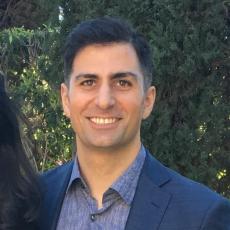
Reviewed by Mike Moradian, CEO of Honor Society. Mike is a UCLA alumnus and Entrepreneur contributor whose work focuses on education and student success.
Editorial note: School-policy examples and source links were checked October 16, 2026. Your institution or application provider determines the requirements that apply to you. Fictional examples are illustrations, not reports of actual student outcomes.


