The Importance of Learning Data Analysis for New Undergraduate and Graduate Students
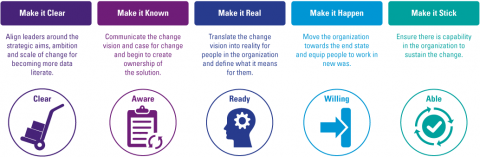
In today's rapidly evolving digital landscape, data analysis has emerged as a critical skill set for students across various academic disciplines. Whether pursuing undergraduate or graduate studies, the ability to understand, interpret, and analyze data is essential for success in both academic and professional realms. This exploration delves into the importance of learning data analysis for new undergraduate and graduate students, illuminating key points that underscore its significance.
Relevance Across Disciplines:
Data analysis transcends disciplinary boundaries, making it relevant to students across diverse fields such as STEM (Science, Technology, Engineering, and Mathematics), social sciences, business, healthcare, and more. Regardless of their major or area of specialization, students can benefit from learning data analysis techniques to analyze and interpret data specific to their respective fields.
Enhanced Decision-Making:
Proficiency in data analysis equips students with the tools and techniques needed to make informed decisions based on evidence and empirical data. Whether conducting research, analyzing market trends, or evaluating healthcare outcomes, the ability to derive meaningful insights from data empowers students to make sound decisions that drive positive outcomes.
Critical Thinking and Problem-Solving Skills:
Learning data analysis fosters critical thinking and problem-solving skills by challenging students to interpret complex datasets, identify patterns, and draw conclusions. Through hands-on experience with data analysis tools and techniques, students develop analytical reasoning abilities that are invaluable in academia and beyond.
Preparation for the Workforce:
In today's data-driven economy, employers increasingly seek candidates with strong data analysis skills. Whether pursuing internships, entry-level positions, or advanced careers, students who are proficient in data analysis are better positioned to meet the demands of the job market and excel in their chosen fields.
Empowerment Through Data Literacy:
Data analysis empowers students to become data-literate individuals who can navigate and interpret the vast amounts of data available in the digital age. By developing the ability to critically evaluate data sources, assess data quality, and communicate findings effectively, students can contribute meaningfully to academic research, policymaking, and public discourse.
Interdisciplinary Collaboration:
Data analysis often involves collaboration across disciplines, providing students with opportunities to work with peers and experts from diverse backgrounds. By engaging in interdisciplinary projects that require data analysis skills, students gain exposure to different perspectives, methodologies, and approaches, enriching their learning experience and broadening their horizons.
In conclusion, learning data analysis is indispensable for new undergraduate and graduate students seeking to thrive in today's data-driven world. From enhancing decision-making and critical thinking skills to preparing for future careers and fostering interdisciplinary collaboration, the benefits of learning data analysis are far-reaching and transformative. By embracing data analysis as an essential component of their education, students can position themselves for success and make meaningful contributions to society.
P.S.- If you are interested in data and want to learn about data please check out Alex Freberg's youtube channel (Alex The Analyst). That channel features a copletely free data analyst bootcamp, a good starting point.
The views expressed in this article are those of the author and are for informational purposes only. They do not necessarily reflect the views of Honor Society®, a private membership organization. Participation is voluntary and does not guarantee specific outcomes, including scholarships or employment. Readers should independently evaluate all information.
About the Author