Featured Members in Engineering & Physical Sciences
Questions to investigate. Ideas to build.
Meet Honor Society® members sharing interests in civil, mechanical, aerospace, and bioengineering, as well as physics and mathematics. Their public profiles connect curiosity about how things work with ideas for research, design, and practical problem-solving.
Explore more featured member collections
Start with these related collections, then explore the other fields and educational journeys in our featured member community.
-
Technology, AI & cybersecurity
Discover members interested in software, artificial intelligence, data science, and cybersecurity.
10 public member profiles
-
Environment & sustainability
Meet members connecting environmental science, conservation, sustainability, tourism, and business.
5 public member profiles
-
Nursing & healthcare
Meet members exploring nursing, medicine, nutrition, health information, and healthcare leadership.
24 public member profiles
INTERESTS IN THIS COMMUNITY
What connects these member stories
This collection brings together people drawn to building systems and people drawn to understanding the principles behind them. Members discuss aircraft, assistive technology, infrastructure, and physical science. The most revealing details often concern a particular question, project, or intended application.
-
Design and construction
Engineering interests connect analytical learning with structures, devices, and systems people can use.
-
Research and explanation
Physics and mathematics interests introduce questions about the principles that shape the world around us.
-
Collaboration and iteration
Project and team experiences show how members describe applying ideas, solving problems, and continuing to learn.
BEHIND THE PROFILE
Meet the people behind the goals
The following introductions draw on members’ public profiles. Open a profile for the full story and its latest details.
-

Designing with independence in mind
Heather’s profile connects bioengineering interests with experience in robotics and STEM mentoring. She describes a goal of developing assistive devices and technology that helps people retain or regain independence. The intended use of that work gives her engineering ambitions a clear human context.
-

Learning through a team aircraft project
Jaylon describes mechanical-engineering study and participation in a university team that builds aircraft for competition. His public profile connects that hands-on work with interests in mechanical and aerospace careers. It offers a specific example of how a project can help explain a member’s direction.
-

Following questions in physical science
Carles describes interests in physics and mathematics, including astrophysics and quantum mechanics. His profile connects those interests with research ambitions and a desire to inspire others to explore science. The focus is on the questions that motivate his learning and the work he hopes to pursue.
EXPLORE THE COLLECTION
Engineering & physical sciences member profiles
Explore all 6 public profiles in this collection, listed alphabetically by first name. Each linked name takes you to the member’s existing HonorSociety.org profile.
Members provide their own education and study details. Information may describe past, current, or planned study. A member can appear in more than one collection.
-
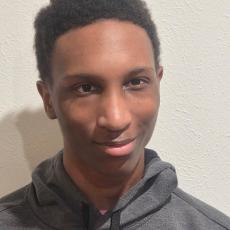
Byron Sanders
Study / interests: civil engineering
Education: Southern Methodist University
Public member profile
-
Carles Fonseca Mauri
Study / interests: physics and mathematics
Education: UCLA
Public member profile
-
Heather Buckner
Study / interests: Bioengineering
Education: new mexico highlands university
Public member profile
-
Jaylon Palmer
Study / interests: mechanical engineering
Education: Texas A&M University at College Station
Public member profile
-

Victoria Cox
Study / interests: mechanical engineering
Education: Shasta College
Public member profile
-

Give your personal brand a clear voice.
Choose a project or question that illustrates your interests. Explain the problem, your contribution, and what you learned, using language that someone outside your specialty can understand. Keep research involvement, results, and professional titles accurate and specific.
Add a clear photo and keep your introduction, education, experiences, and goals current. A complete public profile gives people a fuller picture of your interests and creates an opportunity to be considered as a featured member.
Sign in, open your profile, and review its information and visibility. Featuring is not guaranteed.
Engineering and physical-science member FAQs
Which engineering and physical-science fields are represented?
The collection includes civil, mechanical, aerospace, and bioengineering, together with physics and mathematics. Members connect academic interests with design, hands-on projects, research questions, and future careers. Open the linked profiles to see the context and stage of each member’s work or study.
What should an engineering student include in a public profile?
Describe a problem, design task, experiment, or team project and identify your contribution. Explain the purpose, methods, constraints, and lesson or result in accessible language. Jaylon Palmer connects mechanical-engineering study with a team aircraft project. That kind of concrete example helps readers understand how classroom interests become practical experience.
How can engineering profiles explain the people a project could help?
Connect the technical work with its intended use. Heather Buckner describes bioengineering interests and a goal of developing assistive technology that supports independence. Clearly separate a future application from a device already developed or evaluated. The purpose gives readers context for the design questions you want to pursue.
What can a physics or mathematics profile say beyond listing coursework?
Name a question or area of inquiry that motivates you and explain what you want to investigate. Carles Fonseca Mauri connects physics and mathematics with astrophysics, quantum mechanics, and research ambitions. Add relevant learning or project experience, while distinguishing interests and proposed research from completed findings.
How should I credit contributions to a team research or design project?
State the team’s overall goal and your specific role, such as analysis, modeling, construction, testing, documentation, or coordination. Credit collaborators and include only results you are permitted to share. A reader should be able to tell which work you completed, what the group achieved, and which questions remain open.
Where can I find members with related interests?
Continue with technology, ai & cybersecurity, environment & sustainability, or nursing & healthcare. These collections connect related areas of study and experience; a member may appear in more than one. The complete featured member directory provides an alphabetical starting point for all public profiles in this series.
How can I share my story or update a featured profile?
Sign in and complete your public profile with a photo, an introduction, accurate education and experience, and current goals. Explain the details that make your interests in engineering & physical sciences personal to you. A complete public profile creates an opportunity to be considered for a feature; selection is not guaranteed. For corrections to an existing feature or help with visibility, contact Honor Society.
Continue with scholarship opportunities, member resources, or information about Honor Society.
Honor Society® is an independent membership organization and is not affiliated with any other honor society. Schools and organizations mentioned in members’ profiles do not thereby endorse Honor Society. These features highlight member-provided interests and experiences; they do not establish a ranking or scholarship award.